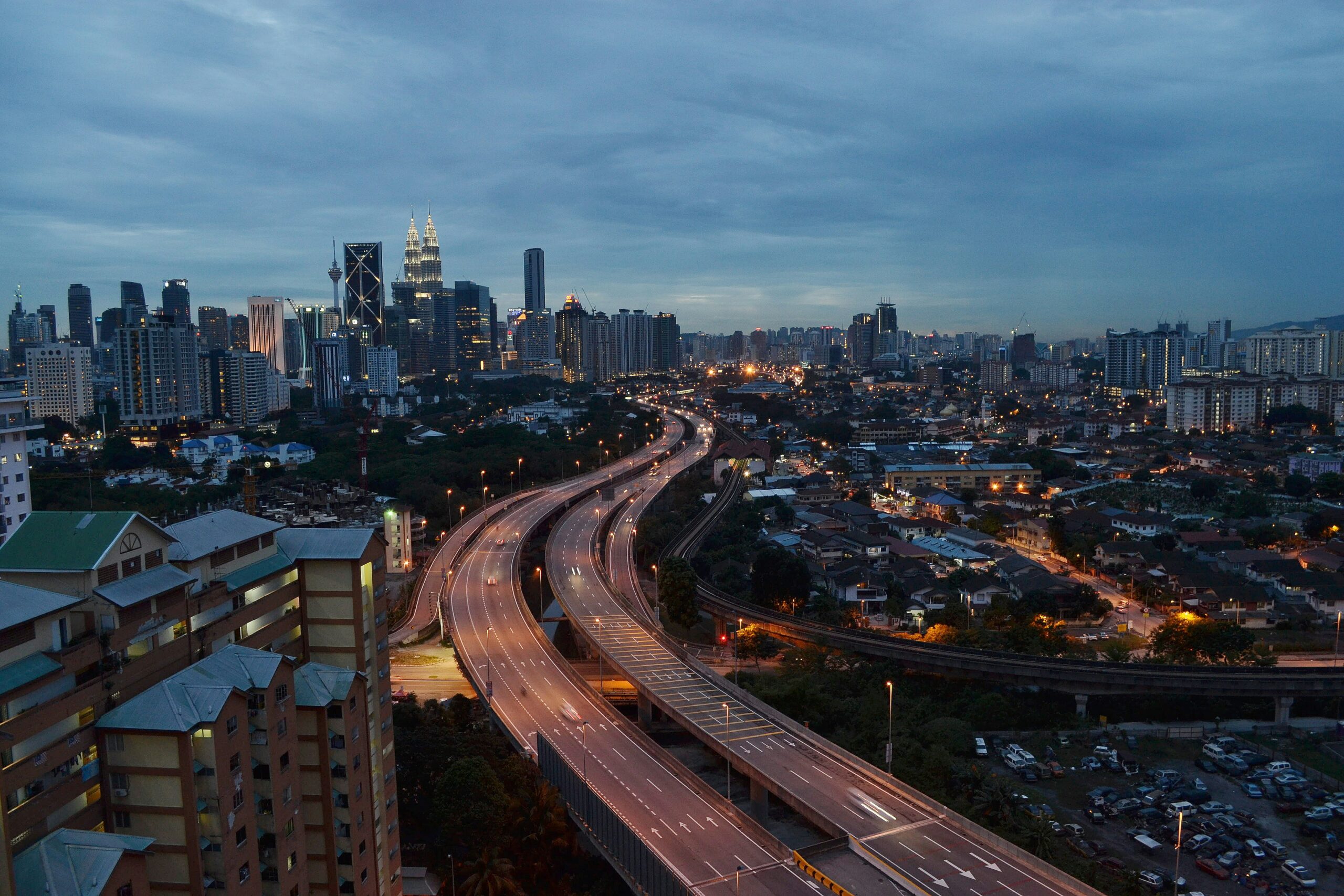
Cities continue to change as populations increase, lifestyles evolve, and technology advances. Urban growth now reflects more than physical expansion; it represents how people live, connect, and access opportunity. Real estate development influences this evolution by shaping neighborhoods, urban infrastructure, and long-term value. Developers face growing responsibility as cities demand efficiency, resilience, and inclusivity.
How Population Shifts Are Redefining City Planning
Population movement strongly influences how cities evolve. Migration toward metropolitan areas increases pressure on housing, transportation, and public services. Developers and planners respond by creating denser environments that use land more efficiently. Vertical construction and infill projects help cities accommodate growth without endless expansion.
At the same time, demographic change affects design priorities. Younger residents seek walkability and access to amenities, while aging populations require accessibility and integration with healthcare. Because needs vary, flexible planning becomes essential. Cities that adapt to population trends maintain stability and competitiveness while supporting long-term development goals.
Sustainability as a Foundation for Long-Term Development
Sustainability has shifted from a trend to a necessity. Environmental challenges such as climate change and resource scarcity force cities to rethink construction practices. Developers now prioritize energy efficiency, durable materials, and responsible land use. These decisions reduce operating costs while improving resilience.
Beyond environmental benefits, sustainable development strengthens communities. Green spaces improve health and encourage social interaction. Efficient buildings lower utility expenses for occupants. Because cities increasingly enforce environmental standards, sustainability also improves approval outcomes. Long-term success now depends on responsible planning rather than short-term gain.
Technology Changing How Cities Are Built and Managed
Technology is increasingly shaping modern cities. Developers rely on data analytics to understand demand, predict risks, and refine designs. Digital modeling improves accuracy during planning, reducing costly revisions later. This approach allows more intelligent decision-making before construction begins.
In addition, intelligent building systems improve daily operations. Automated lighting, climate control, and security enhance comfort and efficiency. Residents expect connected environments that respond to their needs. Because technology evolves quickly, cities that embrace innovation remain competitive and adaptable over time.
Infrastructure Planning and Smarter Connectivity
Infrastructure defines how well cities function. Transportation systems, utilities, and digital networks support daily life and economic activity. Developers increasingly coordinate with municipalities to align projects with broader infrastructure plans. This collaboration improves mobility and reduces congestion.
Transit-oriented development encourages walkability and public transportation use. Neighborhoods near transit hubs attract residents and businesses alike. Strong connectivity supports productivity and accessibility. Cities that integrate infrastructure planning into development strategies create environments that work efficiently for both people and commerce.
Housing Supply and the Challenge of Affordability
Housing demand continues to rise as cities attract new residents. Limited supply often drives prices upward, which creates affordability challenges. Developers respond by exploring higher-density housing, efficient layouts, and innovative construction methods. These strategies reduce costs and accelerate delivery.
Affordability also requires policy alignment. Cities offer incentives for mixed-income housing and flexible zoning. Developers who participate in inclusive projects gain access to key locations and community support. Balanced housing strategies help cities remain diverse, stable, and economically healthy.
Mixed-Use Environments and Lifestyle Integration
Mixed-use development has reshaped how people experience cities. By combining residential, commercial, and recreational spaces, these projects reduce travel time and support active neighborhoods. People value convenience, which drives demand for integrated environments.
From a financial perspective, mixed-use projects diversify income streams—retail, residential, and office components balance market shifts. Socially, shared spaces encourage interaction and community engagement. As cities evolve, integrated design supports vibrant neighborhoods that remain active throughout the day.
Changing Work Patterns and Urban Design
Work patterns influence how cities grow and function. Remote and hybrid work models have reduced reliance on traditional office space. Developers now redesign workplaces to support collaboration and flexibility. Some projects convert underused offices into residential or mixed-use spaces.
Residential design has also adapted. Homes now include workspaces, shared amenities, and outdoor areas. Lifestyle preferences drive location decisions more than proximity to offices alone. Cities that adjust to these changes maintain relevance and appeal in a shifting economic landscape.
Community Engagement and Social Responsibility
Successful development requires community trust. Developers who engage residents early create projects that reflect local needs. Open communication reduces resistance and improves approval outcomes. When people feel heard, projects gain long-term acceptance.
Community-focused planning also supports equity. Access to housing, services, and public spaces improves quality of life. Development that benefits only a few creates instability. Cities thrive when growth supports both economic opportunity and social well-being.
Regulation, Policy, and Planning Alignment
Government policy strongly influences development outcomes: zoning laws, environmental standards, and infrastructure investment shape project feasibility. Developers must stay informed and adaptable as regulations evolve. Early alignment with city goals reduces delays and uncertainty.
Public-private collaboration continues to grow. Developers who work closely with planners help shape efficient, functional cities. Because urban challenges change over time, proactive cooperation ensures projects remain viable and compliant.
Investment Behavior and Long-Term City Value
Investment priorities increasingly favor stability and resilience. Investors seek projects that demonstrate durability, sustainability, and consistent demand. Developers respond by focusing on quality construction and long-term performance.
Holding strategies have gained popularity over quick exits. This approach encourages thoughtful design and operational efficiency. As capital shifts toward responsible projects, development aligns more closely with lasting city value rather than short-term speculation.
Resilience Planning in an Era of Climate and Economic Change
Cities now face increasing pressure from climate events, economic uncertainty, and infrastructure strain. Developers must design projects that withstand environmental stress while remaining financially viable. Resilience planning focuses on durability, adaptability, and risk management. Flood-resistant materials, elevated structures, and flexible layouts help protect investments and communities. These strategies reduce long-term costs and improve safety.
At the same time, economic resilience matters just as much. Developers who plan for multiple use scenarios protect assets during market shifts. Buildings that adapt to changing demand remain valuable longer. As cities expand and conditions evolve, resilience supports stable urban growth without sacrificing flexibility or performance.
Cultural Identity and Place-Making in Modern Cities
Place-making has become a powerful tool in shaping meaningful urban environments. Developers now focus on creating spaces that reflect local culture, history, and social patterns. Authentic design strengthens emotional connection and community pride. Public art, shared spaces, and local business integration all contribute to a stronger neighborhood identity.
Moreover, culturally informed development improves long-term success. Residents and visitors support places that feel unique and welcoming. This sense of identity encourages repeat engagement and economic activity. As cities continue to evolve, thoughtful place-making ensures that growth enhances character rather than erodes it.